







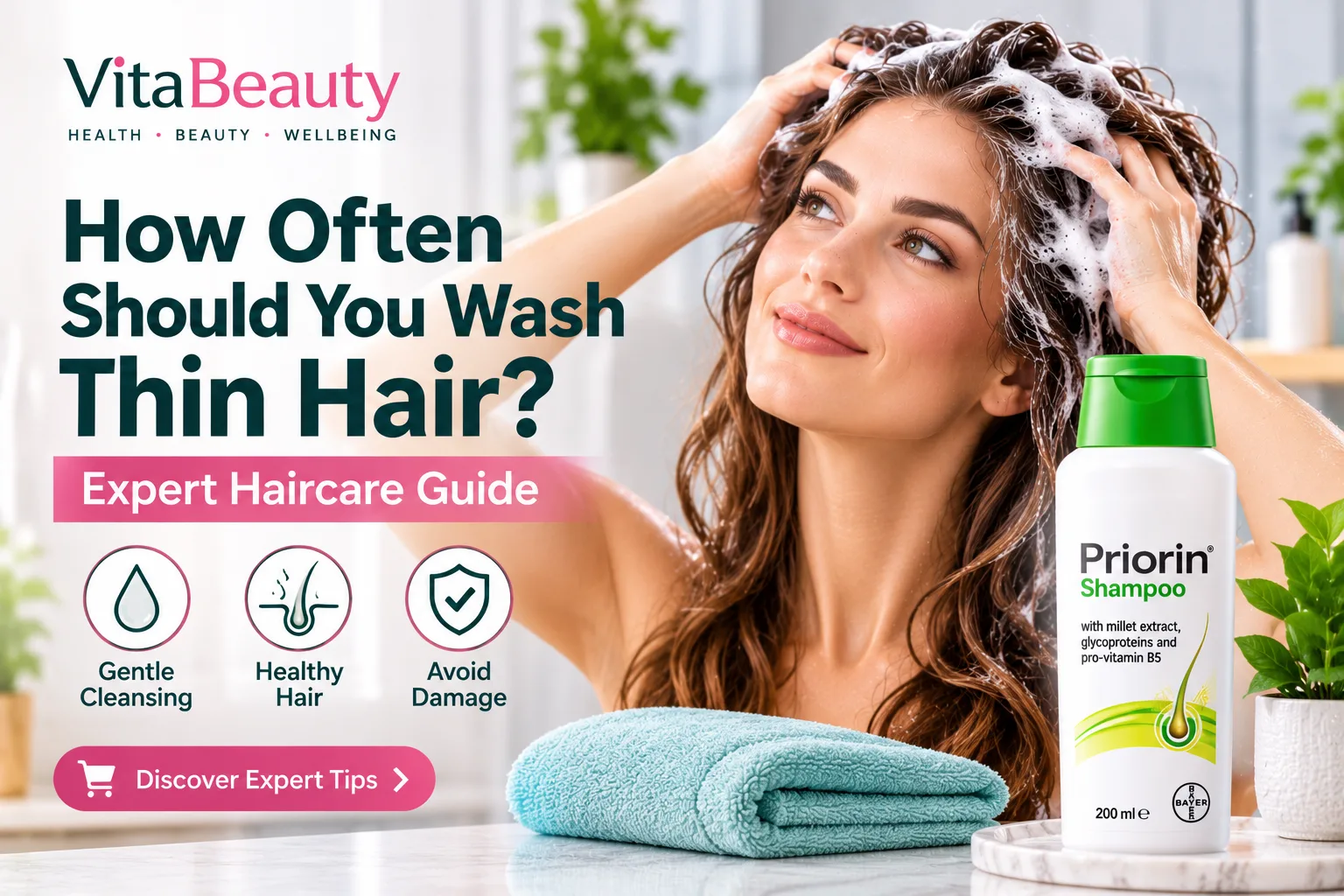
How Often Should You Wash Thin Hair? A Practical Haircare Guide
If you have fine, weak or thinning-looking hair, you may wonder how often you should wash it. Should you shampoo every day, wash it only twice a week or leave several days between washes?
The answer depends on your scalp, hair texture, lifestyle and the products you use. Washing too frequently with a harsh shampoo may leave some hair types feeling dry, while washing too infrequently can allow oil, sweat and styling product residue to build up.
The good news is that you do not need a complicated routine to care for fine or fragile hair. A suitable shampoo, gentle washing technique and a few everyday habits can help keep your hair clean, manageable and looking its best.
In this guide, we explain how often to wash thin hair, how to choose a shampoo, common washing mistakes and how to build a practical haircare routine.
How Often Should You Wash Thin Hair?
There is no single washing schedule that works for everyone.
The American Academy of Dermatology recommends washing according to how quickly your hair and scalp become dirty or oily. People with fine, straight hair and an oily scalp may need to shampoo more frequently, sometimes even daily. People with dry, curly or textured hair may need to wash less often.
For many people with fine or thin-looking hair, washing every one to three days can be a practical starting point. However, this is not a strict rule. Adjust your routine according to how your scalp feels and how your hair responds.
Factors That Affect Washing Frequency
1. Scalp oil production
If your scalp becomes oily quickly, you may prefer more frequent washing. Fine hair can show excess oil more easily because it has less volume and strands can become weighed down.
2. Hair texture
Straight and fine hair may need more frequent cleansing than thick, curly or coily hair. Naturally dry or textured hair may benefit from longer intervals between washes.
3. Exercise and sweating
If you exercise regularly, sweat heavily or spend time in a dusty environment, you may need to cleanse your scalp more often.
4. Styling products
Hair sprays, gels, dry shampoo and other styling products can build up over time. Your washing schedule should take your product use into account.
5. Scalp condition
Persistent itching, flaking or irritation may require a different approach. If you have dandruff or another scalp condition, a suitable medicated shampoo may be more appropriate than simply washing more often.
Does Washing Your Hair Cause Hair Loss?
This is one of the most common concerns among people experiencing thinning hair.
Seeing loose hairs in the shower can be worrying, but washing does not automatically cause hair loss. Hair that has already reached the shedding stage may become more noticeable during shampooing, rinsing and detangling.
It is also important to distinguish between hair shedding and hair breakage.
- Hair shedding: A hair strand comes out from the scalp.
- Hair breakage: The hair shaft snaps somewhere along its length.
Aggressive washing, rough towel drying and forceful brushing can contribute to breakage, especially when hair is fragile.
If you notice ongoing or excessive shedding, do not assume that your shampoo is the cause. Hair loss can have several underlying reasons, including genetics, hormonal changes, illness and nutritional deficiencies.
You can learn more in our guide to why hair may be falling out.
How to Wash Thin or Weak Hair Without Causing Unnecessary Damage
The way you wash your hair can be just as important as how frequently you do it.
Follow these practical steps to make your washing routine gentler.
Step 1: Use Lukewarm Water
Very hot water may leave some hair feeling dry and uncomfortable. Use comfortably warm or lukewarm water when washing and rinsing.
Step 2: Apply Shampoo to Your Scalp
Concentrate shampoo on your scalp and roots rather than aggressively rubbing the entire length of your hair.
Gently massage with your fingertips. Avoid scratching with your nails or tangling the hair while creating a lather.
Step 3: Rinse Thoroughly
Make sure you rinse away shampoo and product residue. Remaining product can make hair feel heavy or leave the scalp uncomfortable.
Step 4: Use Conditioner Where Needed
Conditioner helps improve softness and detangling.
If your hair is fine or straight, apply conditioner mainly to the mid-lengths and ends to avoid weighing down the roots. If your hair is dry or curly, you may need conditioning along more of its length.
Step 5: Dry Your Hair Gently
Avoid rubbing your hair vigorously with a towel. Instead, gently squeeze out excess water or wrap your hair in a soft towel or microfibre towel.
Use a wide-tooth comb when detangling wet hair, and avoid pulling through knots.
What Type of Shampoo Is Suitable for Fine or Thin Hair?
Choosing a shampoo depends on your scalp condition and hair needs.
If your hair is fine, weak or easily weighed down, consider these factors when comparing products.
Gentle Cleansing
Look for a shampoo that cleanses your scalp without leaving your hair feeling excessively dry or stripped.
Lightweight Formulas
Heavy products may make fine hair look flat. A lightweight formula may be easier to incorporate into a routine focused on volume and manageability.
Moisture and Conditioning
Hair that feels dry or rough may benefit from ingredients that support softness and manageability.
Ingredients and Personal Sensitivities
Read the ingredient list carefully, particularly if you have a sensitive scalp or known allergies. Product formulations can vary, so check the label on the bottle you are purchasing.
Is Priorin Shampoo Suitable for Thin or Weak Hair?
If you are looking for a shampoo designed for weak, fine or thinning-looking hair, Priorin Shampoo 200ml is one option to explore.
Its formula highlights three ingredients:
- Millet extract: Included as part of the product’s haircare formula.
- Glycoproteins: Part of the manufacturer’s highlighted ingredient combination.
- Pro-vitamin B5 (Panthenol): Commonly used in haircare products to help condition the hair and improve moisture and manageability.
The manufacturer positions Priorin Shampoo as a cosmetic haircare product focused on moisture, volume, shine and resistance to breakage.
It is important to understand that a cosmetic shampoo is not a medical treatment for the underlying causes of hair loss. It should be chosen for its haircare properties rather than as a guaranteed solution for hair regrowth.
If you would like to learn more about the product, read our detailed guide:
Buy Priorin Shampoo UK – 200ml Haircare Guide
You can also view the Priorin Shampoo 200ml product page to check its current price, availability and product information.
How to Build a Simple Washing Routine for Thin Hair
A good haircare routine should be easy to follow and suitable for your scalp and hair texture.
Here is an example you can adapt.
On Washing Days
- Wet your hair with lukewarm water.
- Apply a suitable shampoo to your scalp.
- Massage gently using your fingertips.
- Rinse thoroughly.
- Apply conditioner to the lengths and ends where needed.
- Gently remove excess water with a soft towel.
- Detangle carefully with a wide-tooth comb.
Between Washing Days
- Avoid applying excessive styling products.
- Brush or comb gently.
- Use heat styling tools less frequently.
- Keep your scalp comfortable and clean.
- Avoid tight hairstyles that pull on the roots.
If your scalp becomes oily or uncomfortable, you may need to wash sooner rather than following a fixed calendar.
For more practical advice, explore our guide to a hair care routine for thinning hair.
Common Hair Washing Mistakes to Avoid
Even a good shampoo may not give you the results you want if your washing habits are too harsh.
Watch out for these common mistakes.
Washing Too Aggressively
Scrubbing your scalp with your nails or pulling your hair while shampooing can cause unnecessary irritation and damage.
Use your fingertips and gentle movements instead.
Applying Too Much Shampoo
Using more product than necessary does not automatically make your hair cleaner. Start with an appropriate amount and follow the instructions on the bottle.
Skipping Conditioner
If your hair becomes tangled or difficult to brush, conditioner may help improve manageability and reduce friction during detangling.
Using Excessive Heat
Frequent high-temperature blow drying, straightening and curling can damage the hair shaft.
Use lower heat settings where possible and consider a suitable heat protectant.
Ignoring Scalp Problems
Persistent itching, redness, irritation or flaking should not be ignored. Changing shampoo repeatedly may not address the underlying issue.
Hair Shedding vs Hair Breakage: Why the Difference Matters
Understanding whether your hair is shedding or breaking can help you choose the right next step.
Hair shedding usually involves strands coming out from the scalp. Breakage happens when the hair shaft snaps, often leaving shorter pieces of hair.
Possible contributors to breakage include:
- Frequent heat styling.
- Chemical treatments.
- Tight hairstyles.
- Rough brushing.
- Excessive friction.
- Dry or damaged hair.
If you are unsure which problem you are experiencing, read our article:
Hair Loss vs Hair Breakage: How to Tell the Difference.
If you notice sudden, patchy or persistent hair loss, seek advice from a healthcare professional.
When Should You Speak to a Healthcare Professional?
Changing your washing routine may help improve everyday haircare, but it cannot address every cause of thinning.
Consider seeking professional advice if:
- You experience sudden or severe hair shedding.
- You notice bald patches.
- Your hair becomes progressively thinner.
- Your scalp is painful, inflamed or persistently itchy.
- Hair loss occurs alongside other unexplained symptoms.
- You suspect a nutritional deficiency or medication-related side effect.
A healthcare professional can help investigate the possible cause and recommend appropriate next steps.
Frequently Asked Questions
How often should I wash thin hair?
It depends on your scalp and hair texture. Fine hair with an oily scalp may need more frequent washing, while dry or textured hair may need less. Adjust your routine according to how quickly your scalp becomes oily or dirty.
Is washing thin hair every day bad?
Not necessarily. Some people with fine hair and an oily scalp may prefer daily washing. The key is to use a suitable shampoo and avoid aggressive washing or excessive heat styling.
Does shampooing make thinning hair worse?
Shampooing does not automatically make hair thinner. However, rough washing and detangling can contribute to breakage in fragile hair. Use gentle techniques and investigate persistent hair loss separately.
Should I use conditioner if I have fine hair?
Yes, if your hair needs it. Conditioner can improve softness and detangling. Apply it mainly to the mid-lengths and ends if your hair is fine or straight.
What shampoo should I use for weak hair?
Choose a shampoo based on your scalp condition, hair texture and ingredient preferences. Products designed for fine or fragile-looking hair may be worth considering. Always check the product label.
Can Priorin Shampoo be used as part of a regular haircare routine?
Priorin Shampoo is a rinse-off cosmetic haircare product. Follow the directions on the supplied bottle and choose a washing frequency that suits your scalp and hair.
Does washing less often prevent hair loss?
Not necessarily. Reducing washing frequency does not treat the underlying causes of hair loss. The best washing schedule depends on your scalp and hair type.
Should I stop washing my hair if I notice shedding?
No. Avoiding shampoo altogether is not a proven way to stop hair loss. Maintain a gentle cleansing routine and seek professional advice if shedding is excessive or persistent.
Final Thoughts
Finding the right washing routine for thin or weak hair does not mean following a strict schedule or avoiding shampoo.
Focus on keeping your scalp clean, using products that suit your hair type, applying conditioner where needed and handling fragile strands gently.
If you are looking for a shampoo specifically formulated for weak or thinning-looking hair, Priorin Shampoo 200ml is one product you can explore as part of your haircare routine.
Read the Priorin Shampoo UK buying guide or visit the product page to review the latest information before ordering.
Medical disclaimer: This article is for general educational purposes only. It does not provide a medical diagnosis or replace professional advice about hair loss or scalp conditions.


